Blog
Why building a home and landscape together makes sense
June 2, 2026
Why Building a Home and Landscape Together Makes Sense
When most contractors think about building a custom home, they picture a completed, occupancy ready house. Floor plans, kitchens, windows, plumbing, finishing materials.
Then somewhere near the middle/end of the project, landscaping enters the conversation — often treated as the finishing touch once the “real” work is complete, timelines are blown, and budgets are stretched thin. Clients that are excited to move in find that they are still living in a construction zone with compactors, excavators, and dirt coating everything. The landscaping rush is on. But the best homes don’t work that way.
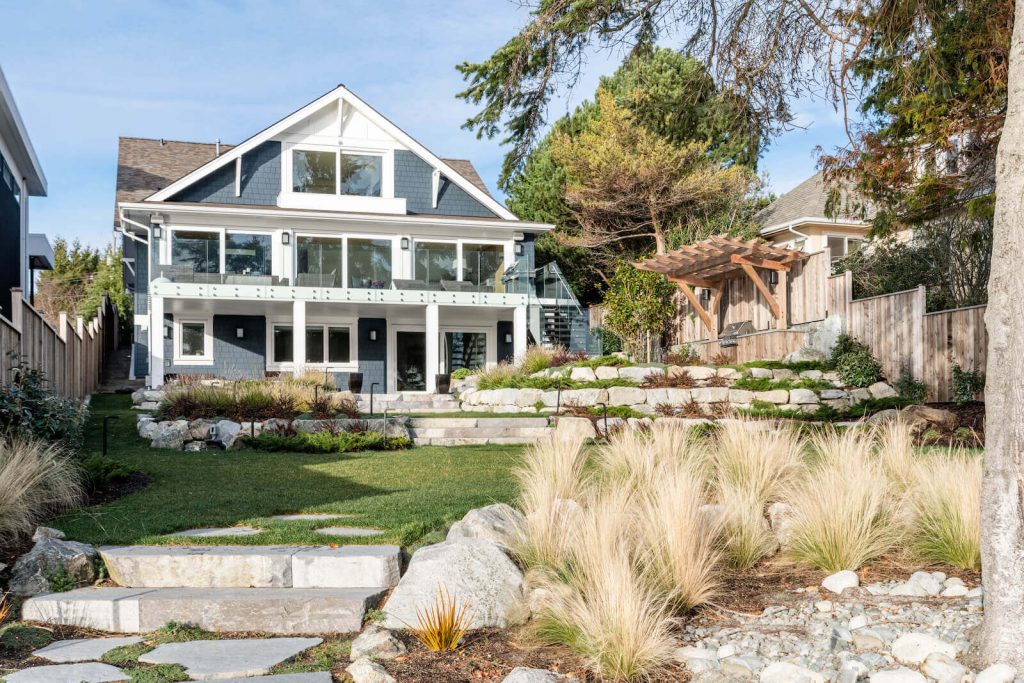
At Integral Design, we believe the home and landscape should be designed together from the very beginning. Not as separate projects, but as one connected experience. When a home and landscape are planned as a single vision, the result feels more natural, more functional, and ultimately more timeless. With the landscape in mind throughout the build, tasks like backfilling and rough grading can happen more accurately saving materials costs and potentially huge amounts of time over the course of a project.
When the home and landscape are move-in ready on the same day, our clients aren’t handed the keys to a construction site, they are welcomed home to their new life!
A Home Should Belong In It’s Environment
Every property has its own character. The way the sun moves across the site. Existing trees, elevation changes, privacy, views, breeze, drainage. These aren’t obstacles to design around, they’re opportunities to inform a strong design.
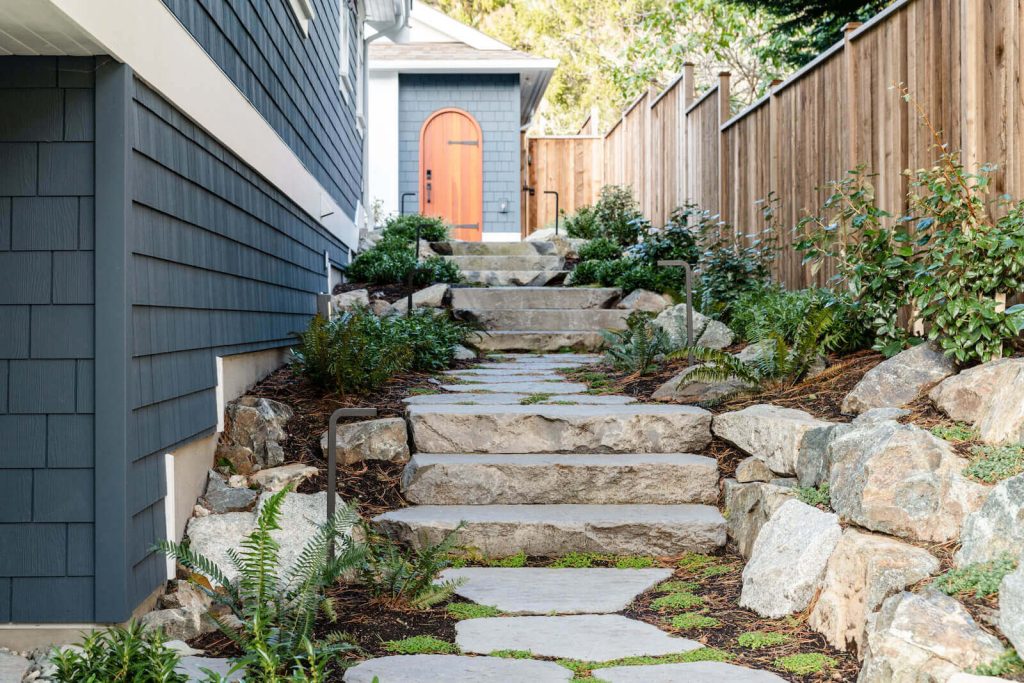
When the landscape is considered early in the planning process, the home can respond naturally to the property itself. Outdoor spaces feel intentional. Windows frame meaningful views, pathways create flow, and indoor and outdoor living spaces connect seamlessly. The home feels grounded instead of imposed on the landscape. That’s the difference between building on land and building with it. Better design starts with a bigger picture. When architecture and landscape are handled separately, compromises happen constantly.
A patio ends up too small because it wasn’t considered during the architectural phase. Retaining walls become expensive surprises. Drainage issues appear after construction. Outdoor spaces feel disconnected from the interior layout. These problems are common because the house was designed first, and the landscape was asked to adapt later. An integrated approach solves this early. By planning the full property experience together, every decision supports the next:
-The home placement improves privacy and views
-Outdoor living areas connect naturally to interior spaces
-Grading and drainage are handled proactively in tandem with the home build
-Materials transition seamlessly between inside and outside
-Lighting, circulation, and gathering spaces feel cohesive
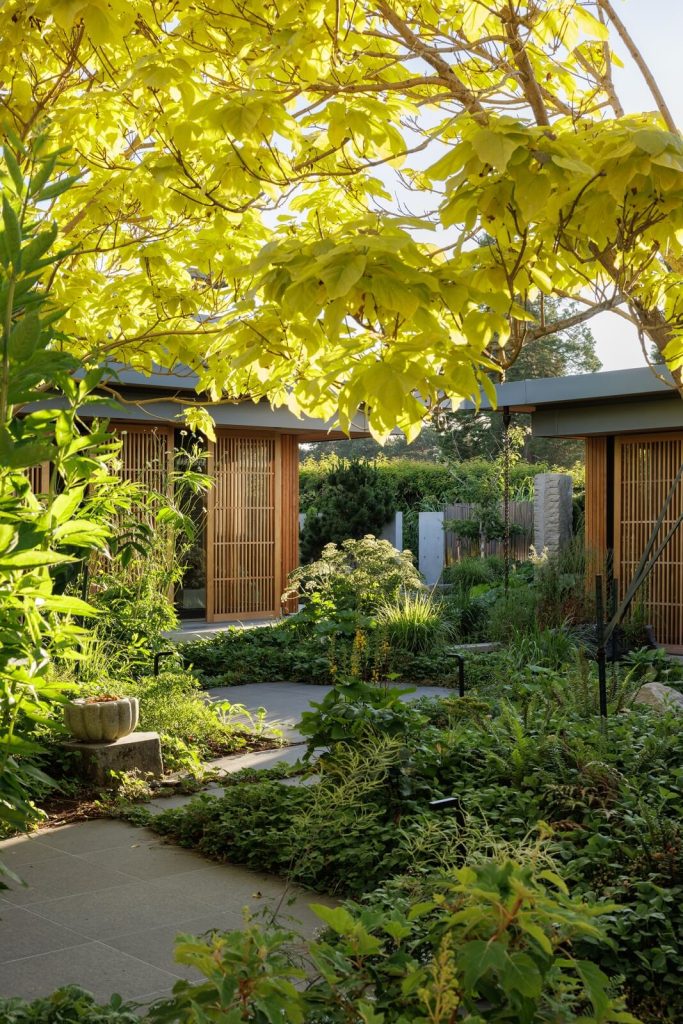
The result is not only more beautiful — it’s more efficient.
Outdoor living is part of modern luxury. Today’s luxury homes are no longer defined only by square footage or finishes. They’re defined by how they are lived in, and the experiences that shape those using the spaces. Some of the most important moments in a home happen outside:
-Morning coffee on a covered terrace
-Evenings around a fire feature
-Summer dinners that move effortlessly between kitchen and patio
-Quiet garden spaces of solitude
-Pool dips that relax and soothe.
These spaces should never feel secondary. When landscape design is integrated early, outdoor living becomes part of the architecture itself — not an accessory added later. That’s where homes begin to feel complete. Integrated design also protects investment. A thoughtfully planned landscape improves not only curb appeal, but how the property functions over time. Proper grading, drainage, material planning, and circulation all contribute to the longevity of the home itself. More importantly, cohesive properties tend to age better. Trends come and go, but homes that feel connected to their environment remain timeless. That’s because they’re designed around experience rather than decoration.
At Integral Design, we see every project as more than a house. We see it as an entire living environment. Architecture, landscape, materials, light, movement, and outdoor living all shape how a property feels day to day. When those elements are designed together, the final result becomes something far greater than the sum of its parts.
A home should feel connected to the land, to the lifestyle of the people living there, and to the experience they want to create for years to come.
That’s why building the home and landscape together simply makes sense.